
Mud Gas Separator Sizing Calculations Guide
By:Admin
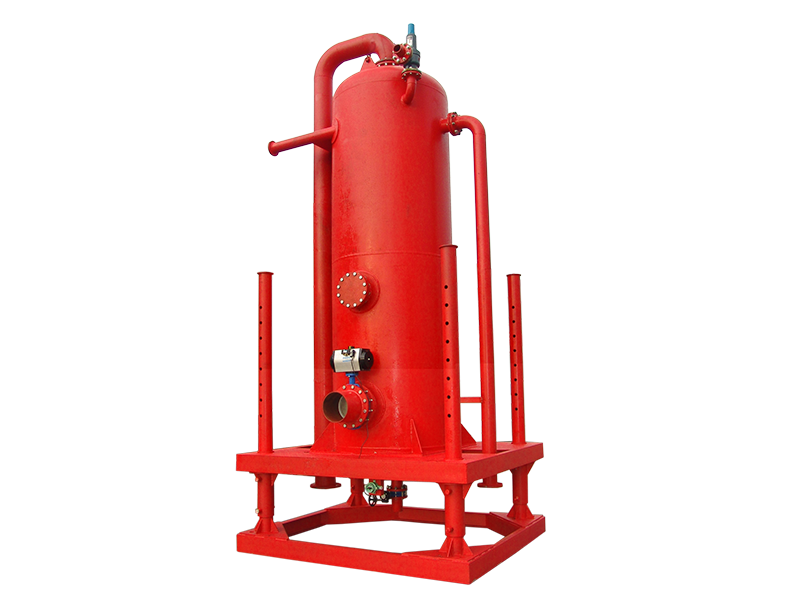
In the oil and gas industry, ensuring the safe and efficient handling of drilling fluids and gas influxes is paramount. A critical piece of equipment in this process is the mud gas separator, which plays a vital role in separating entrained gas from drilling mud during well control events. Accurate sizing and design of mud gas separators are essential to maintain operational integrity, protect personnel, and minimize environmental risks. Recent advancements and refined calculation methodologies have enhanced the reliability and performance of these separators, underscoring their importance in modern drilling operations.
### The Importance of Mud Gas Separators in Drilling Operations
During drilling, unexpected gas influxes—known as "kicks"—can enter the wellbore and mix with the drilling mud. If not properly managed, these kicks may lead to dangerous blowouts, risking human safety, environmental damage, and considerable financial loss. The mud gas separator is designed to safely separate the gas from the mud before it returns to the mud pits, thus preventing gas accumulation and reducing pressure on the closed-loop system.
A properly sized and configured mud gas separator ensures that the system can handle the maximum anticipated gas flow rate without allowing gas carryover into the mud system or excessive pressure build-up. This balance is critical to efficient well control and operational safety.
### Key Parameters in Mud Gas Separator Sizing Calculations
Sizing a mud gas separator involves several important parameters and calculations that engineers must carefully consider:
1. **Gas Flow Rate Estimation:** Estimating the potential volume and velocity of gas influx is fundamental. This depends on the well depth, formation pressure, drilling parameters, and historical data from similar wells.
2. **Mud Flow Rate:** The rate at which drilling mud circulates through the system must be accounted for, as it influences the separator’s capacity to handle both fluid and gas phases.
3. **Residence Time:** The separator must provide adequate residence time to allow gas bubbles to coalesce and separate out from the mud.
4. **Pressure Drop:** Maintaining a low pressure drop across the separator is crucial to avoid disrupting mud circulation while ensuring efficient gas separation.
5. **Gas Separation Efficiency:** Calculations also involve assessing the separator's capacity to separate gas efficiently without re-entrainment or bypass of gas-laden mud.
Advanced calculation approaches now integrate empirical data, fluid dynamics modeling, and safety factors to optimize separator size. This ensures the equipment is neither undersized—risking operational hazards—nor oversized, which would result in unnecessary capital expenditure and larger operational footprints.
### Innovative Engineering and Design Practices
Recent industry practices emphasize integrating these calculations with real-time drilling data, allowing for dynamic customization of mud gas separator sizing. By combining precise measurements of gas influx and mud properties with simulation software, companies can predict separator performance under various scenarios, providing a more robust safety margin.
Materials and design improvements have also influenced sizing considerations. For example, the inclusion of vortex breakers and tangential inlets enhances separation efficiency and reduces turbulence within the separator. These design elements allow for smaller footprint separators without compromising safety or performance.
### Company Leadership in Advanced Mud Gas Separator Solutions
Recognizing the critical role of mud gas separators in drilling safety and efficiency, leading engineering firms are focusing on delivering optimized sizing solutions backed by thorough calculations and experienced design teams. Their comprehensive approach includes:
- Detailed site and well analysis to estimate realistic gas influx parameters.
- Customized separator designs that match specific well conditions and operational requirements.
- Implementation of cutting-edge simulation tools for performance verification.
- Deployment of high-quality materials and manufacturing standards that comply with international safety and environmental regulations.
- Ongoing support and consultation to assess separator performance and adapt to changing drilling conditions.
Through this methodology, companies enable operators to mitigate risks associated with gas kicks effectively while maintaining operational efficiency and regulatory compliance.
### The Future of Mud Gas Separator Sizing
Automation and digital transformation are expected to further revolutionize mud gas separator sizing. Integration with drilling control systems and real-time monitoring will allow instant adjustments based on detected changes in gas flow rates and mud properties. Additionally, AI-powered predictive analytics will help anticipate kick scenarios before they escalate, allowing preemptive sizing and configuration adjustments.
Sustainability also drives innovation in mud gas separator design and sizing. New materials and energy-efficient systems reduce the environmental footprint while maintaining or improving gas handling capacity.
---
**Conclusion**
Mud gas separators remain a cornerstone in well control strategies, directly impacting the safety, efficiency, and environmental stewardship of drilling operations. Advances in sizing calculations, supported by engineering expertise and cutting-edge technology, have enhanced the reliability and performance of these separators. As the oil and gas industry continues to evolve, precise and dynamic mud gas separator sizing will be indispensable to navigating increasingly complex drilling environments and ensuring operational excellence.
By investing in rigorous calculation methodologies and innovative design practices, companies empower operators to manage gas influx events confidently, safeguard personnel, protect the environment, and optimize drilling performance. The ongoing evolution of mud gas separator technology stands as a testament to the industry’s commitment to safe and sustainable energy development.