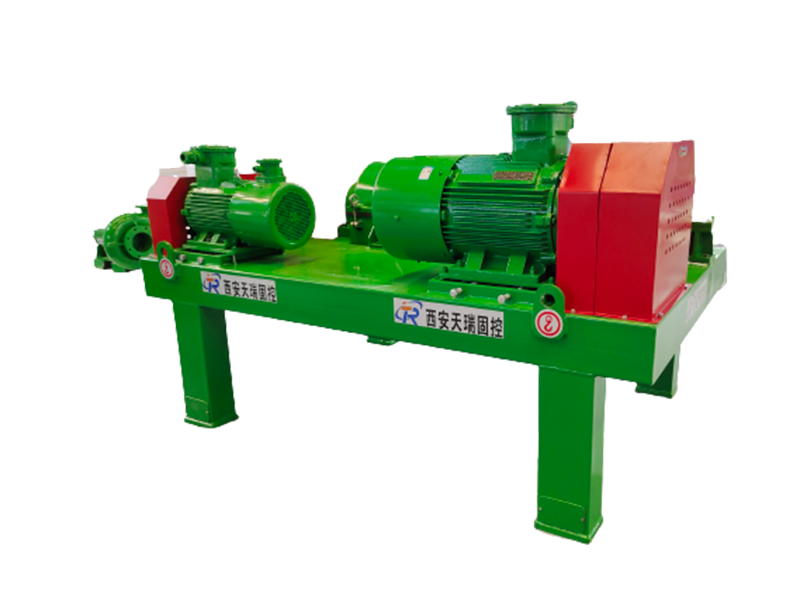
**Innovations and Industry Trends in Waste Water Centrifuge Manufacturing**In recent years, the evolving landscape of wastewater treatment has placed significant demands on machinery and technology that can efficiently separate solids from liquids. Among the critical equipment in this sector are waste water centrifuges, devices engineered to accelerate the sedimentation process and enable effective sludge dewatering. Manufacturers in this niche have been driving innovation and adapting to stricter environmental regulations to meet the global push for sustainable water management.Waste water centrifuge manufacturers have been focusing on developing high-performance centrifuges that deliver enhanced separation capabilities, energy efficiency, and durability. These machines are widely used across municipal sewage treatment plants, industrial wastewater processing units, and agricultural runoff management systems. Centrifuge technology, by leveraging high-speed rotation, efficiently segregates suspended solids from wastewater, reducing sludge volume and allowing further treatment or disposal.The company at the center of recent industry discussions has emerged as a leader in this domain, offering cutting-edge centrifuge solutions that align with modern environmental and operational challenges. With decades of experience, their technological expertise is rooted in continuous research and development aimed at optimizing centrifuge designs for diverse waste water profiles.One of the key advances introduced includes enhanced rotor engineering that maximizes centrifugal force without compromising mechanical stability. This advancement allows for higher throughput and improved solid-liquid separation, which is critical for reducing treatment times and operational costs. Additionally, the company has incorporated smart control systems into their centrifuges, enabling real-time monitoring and adaptive operation. These intelligent features allow plant operators to optimize performance dynamically, reduce energy consumption, and anticipate maintenance needs before breakdowns occur.Environmental sustainability is a paramount concern in the wastewater sector, and manufacturers have responded by refining centrifuge technologies to minimize ecological footprint. The company’s centrifuges now feature optimized feed systems and wear-resistant materials that enhance operational lifespan while ensuring consistent output quality. Their designs also prioritize noise reduction and vibration control, addressing environmental and workplace safety standards.Furthermore, the trend toward modular and scalable centrifuge systems is gaining momentum. This approach affords wastewater treatment plants flexibility to expand capacity as demand grows, without committing to oversized initial investments. The company's modular units are engineered to integrate seamlessly within existing infrastructure, simplifying upgrades and reducing downtime.Globally, stricter governmental regulations on wastewater discharge and sludge management intensify the need for efficient solid-liquid separation technologies. The company’s ability to customize centrifuge solutions based on the physicochemical characteristics of different wastewater streams has proven vital in meeting these regulations while maintaining cost-effectiveness. Their teams collaborate closely with clients to tailor system parameters that address local conditions and treatment goals.Industry analysts note that the shift towards digitalization and Industry 4.0 integration in wastewater treatment is opening new frontiers for centrifuge manufacturers. The company has embraced these trends by embedding IoT sensors and cloud connectivity in their equipment. This enables data-driven analytics that support predictive maintenance, operational optimization, and compliance reporting—turning centrifuges from passive pieces of machinery into active components of smart water treatment ecosystems.In addition to technological progress, the company has prioritized aftermarket support and global service networks. By providing comprehensive installation, training, and maintenance programs, they ensure customers derive maximum value from their investments. Their commitment to sustainability extends beyond product design into the full lifecycle, promoting repairability, parts availability, and environmentally responsible disposal practices.As wastewater treatment becomes central to urban planning and industrial sustainability, the role of advanced centrifuge technology cannot be overstated. Emerging challenges such as microplastic removal, changing sludge composition, and energy-conscious operations require ongoing innovation. Waste water centrifuge manufacturers, spearheaded by this company’s forward-thinking developments, are well-positioned to contribute solutions that enhance water reuse, preserve ecosystems, and support circular economy principles.Looking ahead, the company plans to expand its R&D efforts to develop next-generation centrifuge technologies incorporating novel materials, improved automation, and integration with complementary treatment systems such as membrane filtration and bioreactors. By fostering partnerships with research institutions and environmental agencies, they aim to stay at the forefront of water treatment innovation.In conclusion, the wastewater treatment sector is experiencing transformative shifts driven by environmental imperatives and technological advancements. Waste water centrifuge manufacturers are evolving to meet these demands through sophisticated, efficient, and sustainable centrifuge solutions. The company highlighted here exemplifies this progression, delivering tailored equipment that helps clients tackle contemporary wastewater challenges effectively while advancing the global mission of water conservation and pollution reduction. As industries and municipalities continue to prioritize clean water management, the deployment of innovative centrifuge technology will remain crucial to achieving these goals.
Read More